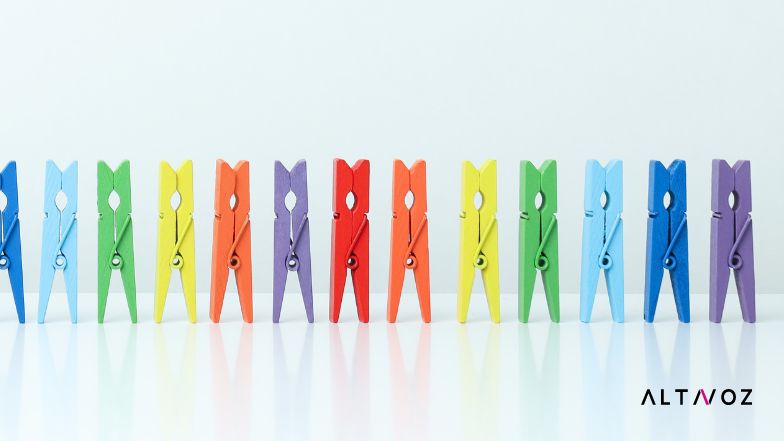
Inclusion and diversity are essential components for strengthening public relations strategies and improving a brand’s image and reputation
Today brands face a growing demand to represent and promote diversity and inclusion in all their facets. Integrating diversity and inclusion into public relations strategies has become a crucial priority for companies that want to remain relevant and connected with their audiences.
Diversity and inclusion are more than buzzwords; they are ethical and business imperatives. By reflecting society’s diversity in their communications and practices, brands can build meaningful connections with a wide range of audiences. This means not only showing diversity in terms of ethnicity, gender, sexual orientation and age, but also in abilities, opinions and experiences. Authentic representation of diversity in public relations strategies creates a sense of belonging and resonance with consumers, thereby strengthening the emotional connection with the brand.
Inclusion goes beyond mere representation; it is about creating spaces where all voices are valued and heard. By fostering an inclusive environment within the organization, brands can nurture creativity, innovation and collaboration. This translates into stronger and more effective public relations strategies, driven by the diversity of perspectives and the wealth of ideas that emerge from diverse teams.
In addition to improving the connection with audiences, diversity and inclusion are also fundamental to crisis management. Brands that have built these values into their DNA are better prepared to handle difficult situations related to diversity, such as controversies over representation or insensitive comments. A culture of inclusion promotes empathy, understanding and responsiveness, allowing brands to address concerns quickly and effectively, thereby mitigating damage to their reputation.
Diversity and inclusion are also drivers of innovation and creativity. Diverse teams tend to generate more innovative ideas and creative solutions to communication challenges. By incorporating a variety of perspectives and experiences into the creative process, brands can differentiate themselves in a saturated market and maintain their relevance in the long term.
In conclusion, diversity and inclusion are essential elements for strengthening public relations strategies and improving a brand’s image and reputation. By adopting and promoting diversity in all facets of their business and communications, brands can build stronger relationships with their audiences, drive innovation and creativity, and position themselves as leaders in promoting equity and social inclusion. In an increasingly diverse and globalized world, brands that embrace diversity and inclusion will be better positioned to thrive in the future.