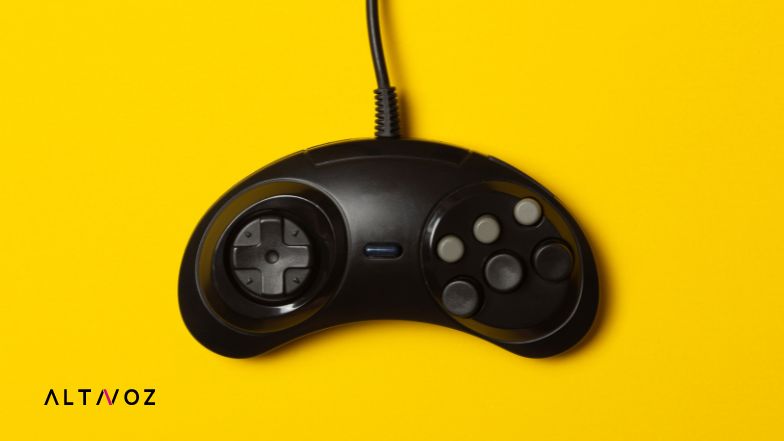
The gamification has emerged as a powerful tool that transforms customer interaction into engaging and memorable experiences.
The success of this strategy consists of combining elements of game design in non-gaming contexts, such as marketing. This can include points, levels, rewards and challenges that encourage interaction and engagement.
According to a Gartner study, it is estimated that by 2025, 70% of organizations will use gamification to improve employee and customer engagement. Additionally, a report by consulting firm M2 Research revealed that companies that implement gamification can see a 100% increase in engagement of the client.
Successful examples such as the language learning app Duolingo, uses gamification by offering lessons in the form of games, where users can earn points and level up. This not only makes learning fun, but also increases user retention. Another well-known case is that of Nike, which through its application Nike Run Club, invites users to participate in career challenges, fostering an active and engaged community.
Some ideas for incorporating gamification include challenges and contests, such as a brand fitness You could launch a 30-day challenge, where participants share their progress on social media using a specific hashtag.
Conducting interactive surveys would be very useful to a cosmetics brand, which could create a maybe on product preferences, where participants get a discount upon checkout, or use augmented reality to help customers interested in purchasing furniture visualize what products would look like in their home through an app, adding game elements such as challenges to redecorate spaces.
It is also possible to obtain feedback of gamification, since consumers can rate products and services in exchange for points or rewards. This not only increases participation but also provides valuable insights for the brand.
Gamification is not just a passing trend; is an effective strategy to increase participation and engagement between brands and consumers. By implementing gamification elements into interactions, companies can create more meaningful and memorable experiences.
With successful examples and various innovative ideas, gamification can be a powerful tool in the arsenal of any marketing manager or industry professional looking to connect more deeply with their audience.
In a competitive environment, gamification can be the key to stand out and encourage long lasting relationships with consumers.