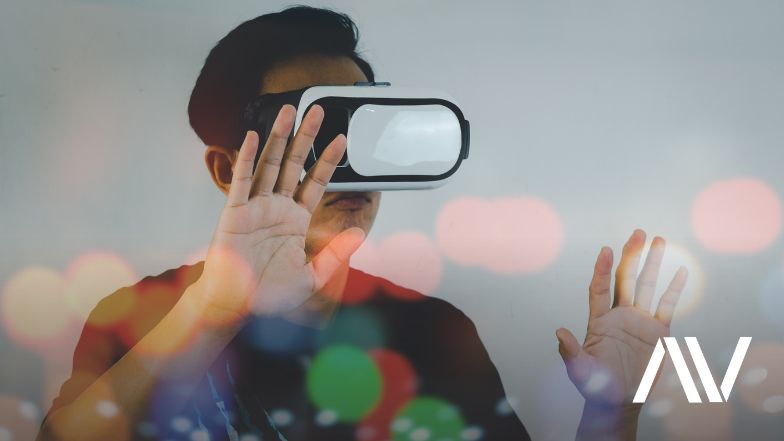
The metaverse offers new possibilities for sectors such as retail, insurance and entertainment.
The traditional way of doing business is continually modified, as brands seek to explore new options to make their products or services more attractive, adding a share of disruption to attract more customers, where technology and the user as the “center of the universe” is the main trend in a future that is already today.
Since Mark Zuckerberg announced that Facebook would be called Meta Platforms, the concept of metaverse has gained more and more relevance, in the form of interaction in the digital and business world.
In that sense, companies must focus on the value of millennials and generation Z as a target audience, since they are the most frequent users of metaverse platforms such as video games or virtual reality technologies. Environments that are conducive to be taken advantage of by companies in various sectors that wish to innovate in their marketing strategy. marketing and loyalty, but at the same time, grow your business.
Thus, one of our clients in the BPO (Business Process Outsourcing) sector created a personalized environment within open space metaverses so that users from sectors such as retail, banking, insurance and entertainment can explore a 360° immersive journey. This will give companies the option to offer enriching experiences to their customers that change the new way of acquiring products or services.
Just like this organization, various industries are already taking advantage of the opportunities offered by this trend, so some brands use interactive experiences, virtual worlds and augmented reality that are unique to get closer to their customers.
Some marketing strategies in the metaverse that companies are applying for their products or services are:
1. Electronic commerce strategies. Well-known brands are creating virtual stores in the metaverse, allowing customers to explore and interact with their products, as well as personalize their avatars - expressions of users' identity - with branded items.
2. Virtual events. Companies and organizations are holding conferences, concerts and corporate events in the metaverse, thus offering an immersive and global experience. Massive Interactive Live Events (MILE) are performances, tournaments or events that, since the pandemic, became a resource widely used by many artists.
3. Virtual influencers. Just like influencer marketing, which already dominates the world of social platforms like TikTok or YouTube, influencers in the metaverse are not real people, but avatars that faithfully represent the brand and have become celebrities.
4. Virtual games. Today, some companies turn to virtual games as a parallel strategy to their real-world marketing, thus encouraging their audience to interact with the brand directly.
5. NFTs. Non-fungible tokens (NFT) such as a GIF, a soundtrack, a video clip or even an item for a video game, considered unique, allow you to promote a brand and its tokens in the metaverse. The more diffusion a company receives, the more the value of its NFTs will increase, and the relevance of the brand will depend on their value.
Without a doubt, the metaverse is not a passing fad or an incipient technology, but today it represents opportunities for communication and marketing specialists to offer more innovative strategies, mainly through the use of applications such as remote collaboration, education and training.
Along these lines, brands that promote their products and services in this virtual environment will be able to offer their customers: a more complete service, virtual points of sale, more immersive digital communication, and even face-to-face interaction.